In short Bali snorkeling packages offer guided tours, equipment, and transportation to key sites like Padang Bai’s calm Blue Lagoon, Amed’s vibrant reefs, or Nusa Penida’s manta ray encounters. These packages typically include hotel transfers, gear (mask, snorkel, fins, life jacket), and often lunch, catering to various skill levels from beginners to experienced snorkelers seeking specific marine life.

You are here because you are actively planning a snorkeling trip in Bali, seeking concrete details on what packages include, where they go, and what to expect. We understand the need for clear, practical information to choose the right experience. Our guide focuses on the primary snorkeling regions, typical tour structures, and essential considerations for your trip, drawing directly from our extensive experience with local conditions and operators. This is not about general travel advice; it is about specific, actionable details for your Bali snorkeling package selection, ensuring you can make an informed decision for an enjoyable underwater exploration. Bali offers a diverse range of snorkeling environments, from tranquil lagoons suitable for first-timers to open ocean sites for encountering large pelagic species, each providing a distinct perspective on the island’s marine ecosystems.

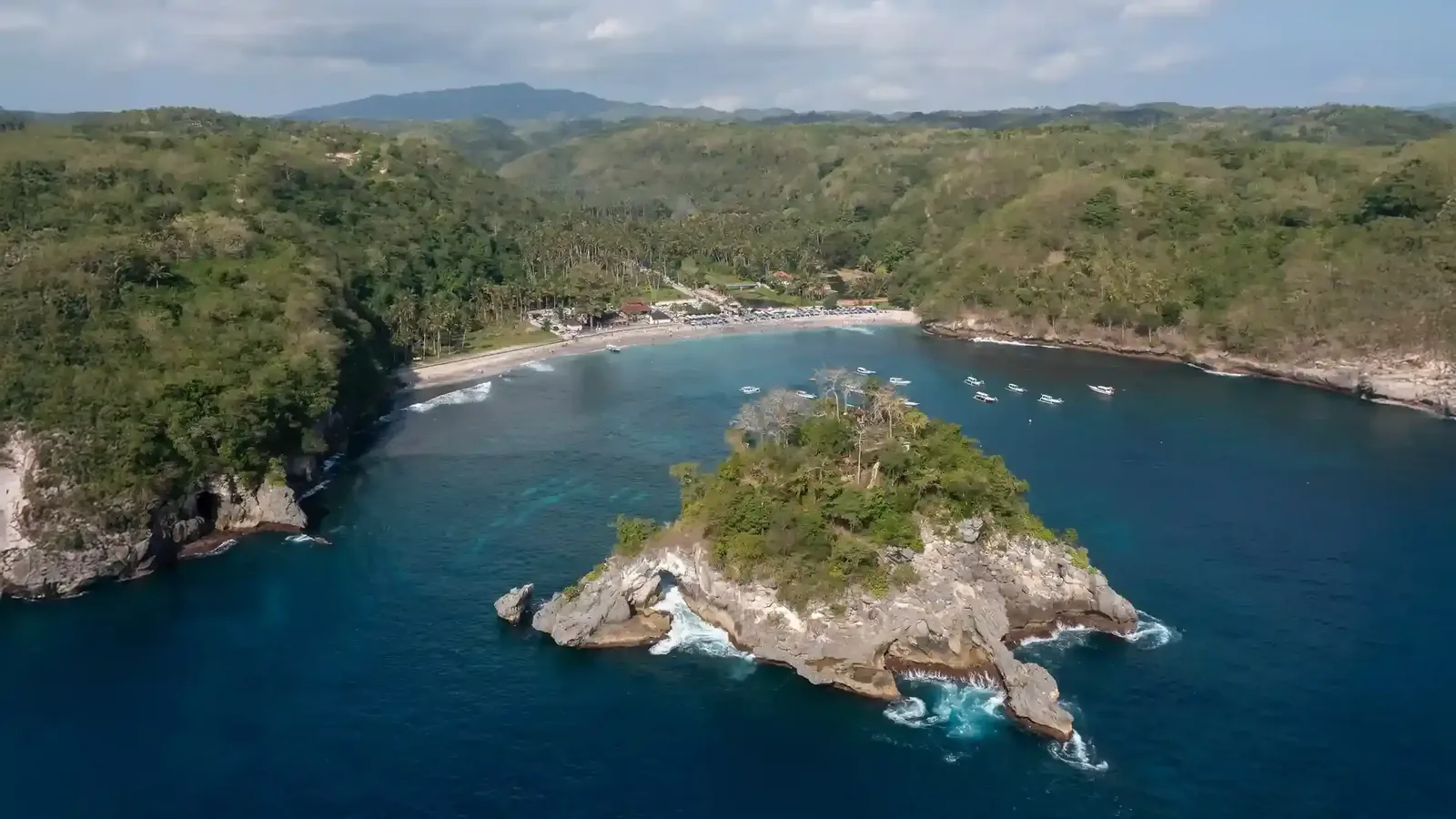
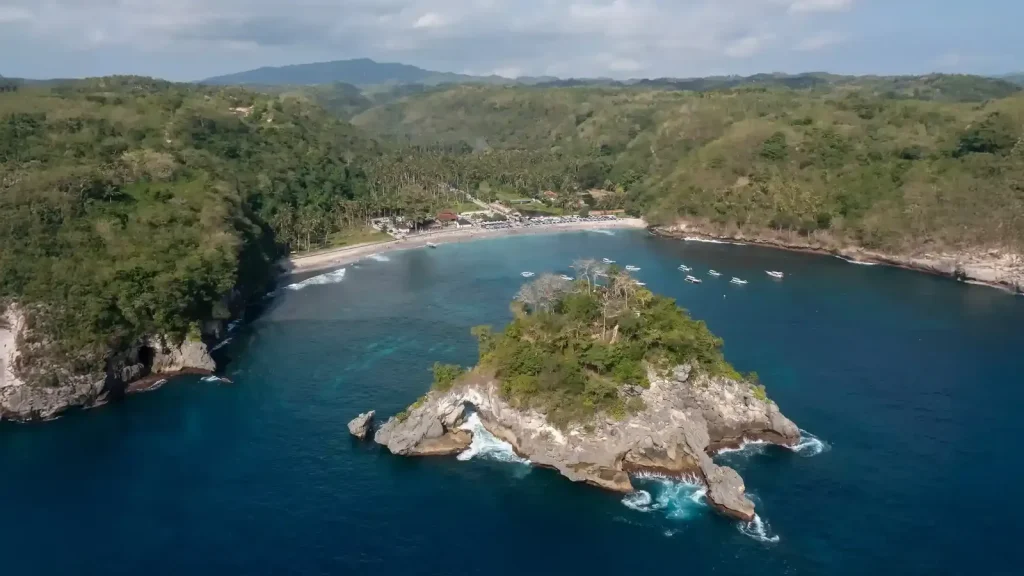
Snorkeling stop at Crystal Bay on a Bali boat trip
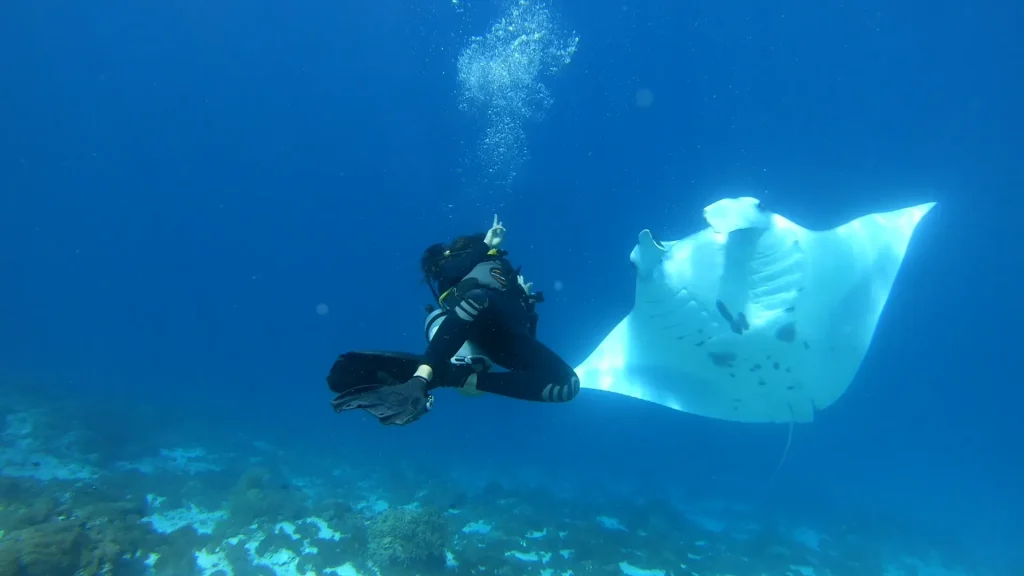
Manta ray passing a snorkeler at Manta Point, Nusa Penida
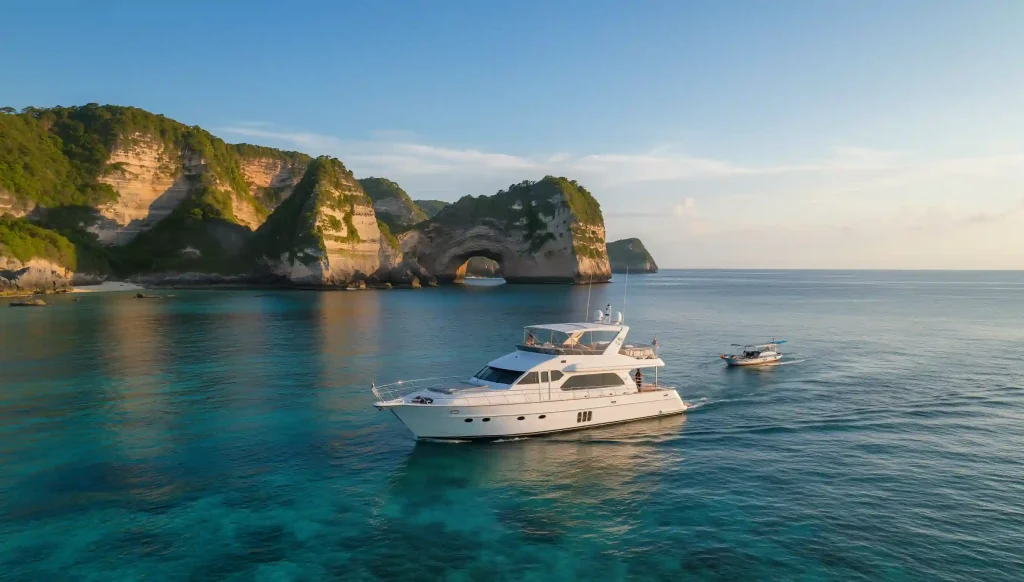
Private boat charter for a custom Bali snorkeling tour
About About Us Read → Contact Contact Us Read →
Snorkeling stop at Crystal Bay on a Bali boat trip 01

Understanding Bali’s Primary Snorkeling Hubs

When considering Bali snorkeling packages, it helps to understand the main areas where these activities concentrate. The primary snorkeling hubs are Padang Bai, Amed/Jemeluk, Tulamben, and the Nusa Penida/Nusa Lembongan area. Each location offers a distinct experience, catering to different preferences and skill levels. Padang Bai, specifically Blue Lagoon and Tanjung Jepun, ranks among the most frequently sold beginner-friendly snorkeling sites in Bali. These spots are known for calm, usually clear water and easy boat access, making them ideal for those new to snorkeling or families with younger participants. The relative proximity of Padang Bai to popular southern Bali tourist areas also contributes to its accessibility.

Amed, situated on Bali’s east coast, is widely described by dive and snorkel writers as one of the best overall snorkeling areas on Bali. It features healthy shallow reefs and offers easy shore entry, which is a significant advantage for independent snorkelers or those preferring direct access without a boat. The area’s quieter atmosphere also appeals to those seeking a more relaxed experience. Just north of Amed, Tulamben is famous for the USAT Liberty shipwreck. This site is unique because the wreck lies in shallow water, allowing snorkelers, as well as divers, to see significant parts of the ship and the reef fish that inhabit it. Meanwhile, Nusa Penida, a separate island southeast of Bali, is renowned for snorkeling with manta rays at Manta Point or Manta Bay, and occasionally mola mola, though it can present strong currents and requires more advanced planning due to open ocean conditions. Choosing a package often starts with deciding which of these distinct environments aligns with your snorkeling goals and comfort level.

Manta ray passing a snorkeler at Manta Point, Nusa Penida 02

Padang Bai Snorkeling: Blue Lagoon & Tanjung Jepun

Padang Bai stands out as a consistently popular choice for Bali snorkeling packages, particularly for its accessibility and suitability for beginners and families. The primary sites here are Blue Lagoon and Tanjung Jepun, both offering calm, clear water and straightforward boat access from the main beach area of Padang Bai. Our experience shows these locations are excellent for a relaxed introduction to Bali’s underwater world, featuring diverse coral gardens and sandy patches where marine life congregates. Typical Padang Bai snorkeling tours combine these two sites, providing about two hours total in the water, alongside necessary transfers from your accommodation and a local lunch. This structure allows for exploration of different reef sections without extended travel times between spots, maximizing your time underwater.

Many operators specifically market “Private Blue Lagoon Snorkeling” packages. These often include a comprehensive set of services: hotel pick-up from areas like Kuta, Seminyak, Canggu, Ubud, or Sanur, a private driver for the journey, a traditional outrigger boat (jukung) dedicated to your group, two separate approximately one-hour snorkel sessions at the chosen sites, all necessary equipment (mask, snorkel, fins, life jacket), a meal, and access to shower facilities post-snorkeling. This private setup offers flexibility and a more personalised experience, which is often preferred by families or small groups seeking comfort and a custom pace. Marine wildlife regularly reported here includes various reef fish like clownfish, parrotfish, sergeant majors, butterflyfish, and angelfish, along with occasional turtle sightings and moray eels. Life jackets are routinely recommended or required for non-swimmers and weak swimmers, and many Padang Bai operators advertise their welcome to non-swimmers, providing flotation and guide support to ensure everyone can enjoy the experience safely and comfortably, often holding onto a life ring towed by the guide.

Private boat charter for a custom Bali snorkeling tour 03

Exploring Amed & Tulamben: Reefs and Wrecks

Amed, on Bali’s eastern coast, consistently receives high recommendations as one of the best overall snorkeling areas on Bali due to its healthy shallow reefs and remarkably easy shore entry. This makes it a favoured destination for those who prefer to access the water directly from the beach rather than from a boat, offering a sense of independence and reducing the likelihood of sea sickness. Within Amed, Jemeluk Bay is specifically recommended for its calm, shallow reefs, an underwater temple area marked by buoys, and its accessible snorkeling from shore. These buoys in the bay often mark key snorkeling features, such as reef drop-offs or underwater statues, serving as useful orientation points for snorkelers and sometimes indicating areas where fish feeding may occur, attracting dense schools of fish. The water in Jemeluk Bay is typically very calm, making it suitable for all skill levels.

Book

Plan your snorkeling trip

Amed, on Bali’s eastern coast, consistently receives high recommendations as one of the best overall snorkeling areas on Bali due to its healthy shallow reefs and remarkably easy shore entry. This…