 01
Discovering Bali’s Common Reef Fish Diversity
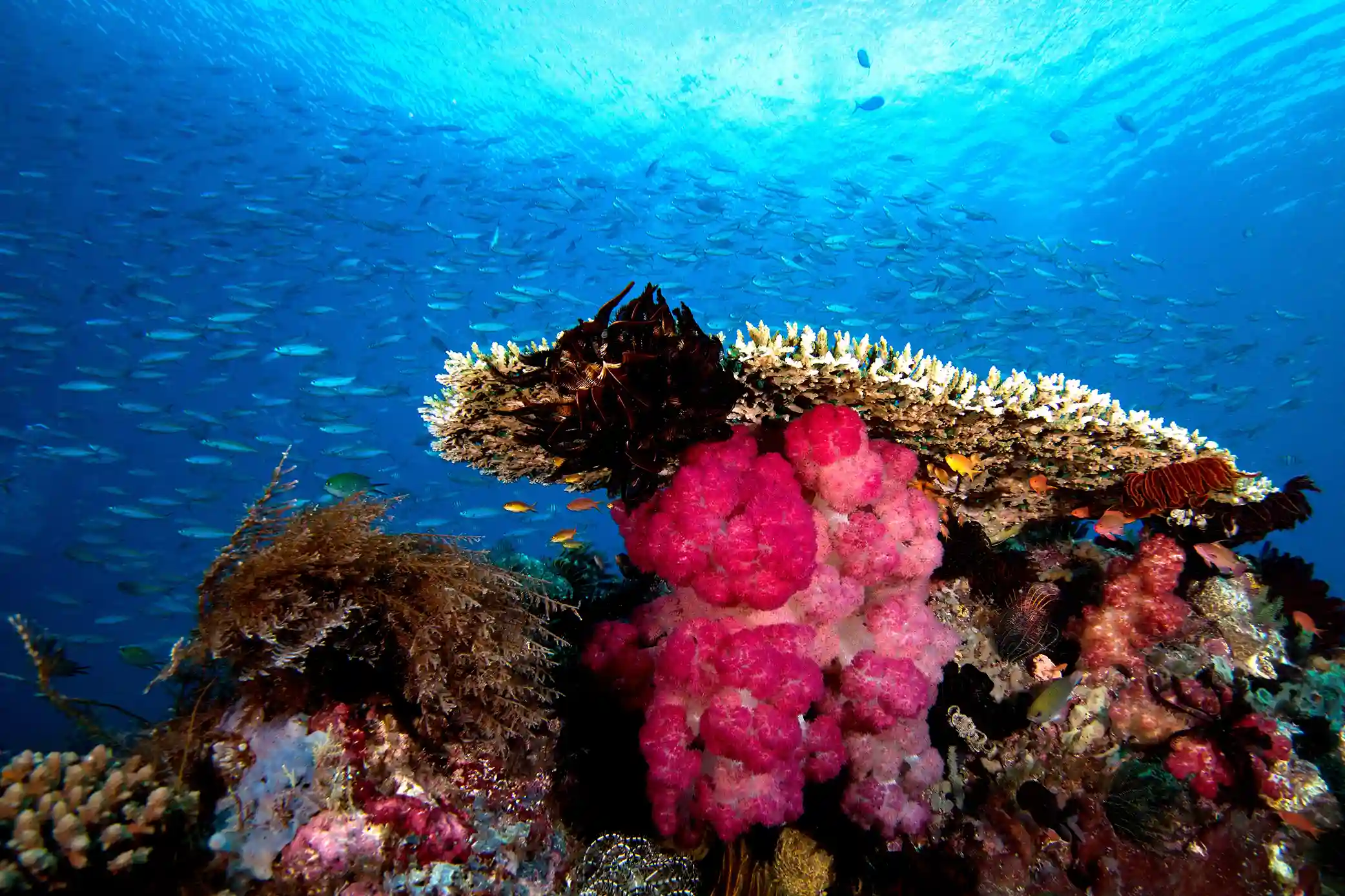
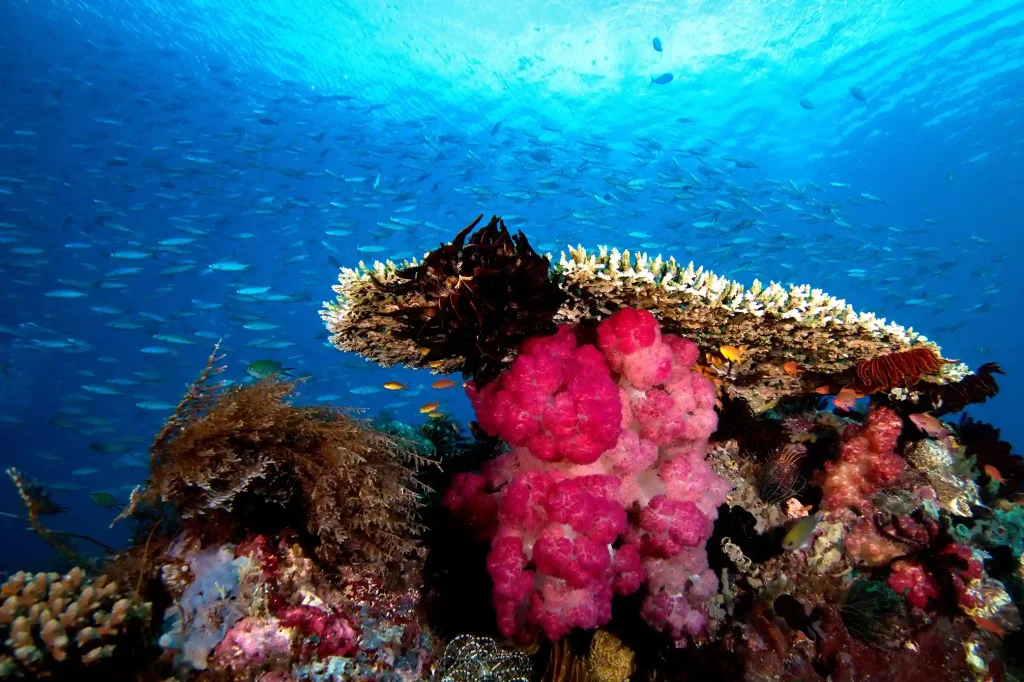
Bali’s accessible snorkeling sites offer consistent opportunities to observe a wide array of reef fish. Locations such as Blue Lagoon and Tanjung Jepun near Padang Bai are frequently sold as beginner-friendly snorkeling sites, known for calm, usually clear water and easy boat access. Here, snorkelers regularly report seeing sergeant majors, butterflyfish, and angelfish. These sites provide an ideal introduction to the region’s marine diversity. Typical Padang Bai snorkeling tours often combine two sites, usually Blue Lagoon and Tanjung Jepun, with approximately two hours total in the water, alongside transfers and lunch. Many operators offer “Private Blue Lagoon Snorkeling” packages, which include hotel pick-up, a private driver, traditional boat use, two roughly one-hour snorkel sessions, equipment, lunch, and shower facilities. These tours are structured to maximise marine life viewing in comfortable conditions.
Amed, on Bali’s east coast, is widely described as one of the best overall snorkeling areas on Bali, featuring healthy shallow reefs and straightforward shore entry. Jemeluk Bay within Amed is specifically recommended for its shallow reefs and an underwater temple area marked by buoys, all accessible directly from the shore. The marine life here thrives in the protected bay, offering sustained viewing of various colourful reef fish. Most Bali snorkelling tours provide essential equipment such as a mask, snorkel, fins, and a life jacket as standard inclusions, ensuring you are prepared for your underwater observations. Water temperatures around Bali are typically in the 26–29 °C range, warm enough that most snorkelers use either no wetsuit or a thin rash guard, allowing for extended time in the water observing fish.