
 01
Discovering Bali’s Premier Snorkeling Destinations
Bali is surrounded by rich marine environments, each offering a distinct snorkeling experience. Our carefully selected destinations are chosen for their exceptional visibility, healthy coral formations, and diverse marine populations. These locations provide a remarkable cross-section of what Bali’s underwater world has to offer, from sheltered lagoons teeming with colorful reef fish to dramatic drop-offs where larger pelagic species may be observed. We focus on areas known for their ecological significance and accessibility, ensuring that every trip delivers memorable encounters with the ocean’s inhabitants. Our guides possess extensive local knowledge, allowing them to lead you to the most rewarding spots and share insights into the marine environment, enhancing your understanding and appreciation of these precious underwater landscapes.
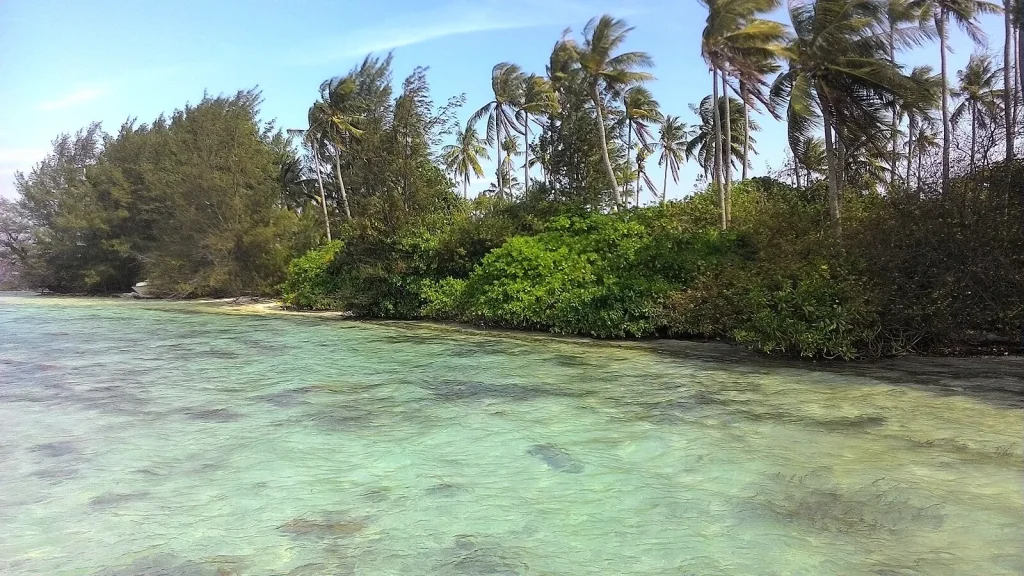
Padang Bai, a quaint fishing village on Bali’s eastern coast, is renowned for its calm and clear waters, making it an ideal location for snorkelers of all experience levels, particularly those new to the activity. The most famous spot, Blue Lagoon, lives up to its name with its inviting turquoise hues and sheltered bay. Here, snorkelers can expect to encounter an abundance of reef fish, including parrotfish, clownfish, angelfish, and various damselfish, darting among healthy hard and soft corals. The relatively shallow depth allows for extended viewing of the intricate reef structures and the smaller, more elusive creatures like moray eels peeking from their crevices. Beyond Blue Lagoon, other nearby sites like Tanjung Jepun offer similar conditions with additional chances to spot creatures such as sea snakes or even juvenile reef sharks. The proximity of Padang Bai to South Bali tourist areas also makes it a convenient and time-efficient choice for a half-day or full-day excursion, minimizing travel time and maximizing water time.
Further along Bali’s eastern coastline lies Amed, a region celebrated for its unique blend of volcanic black sand beaches and impressive underwater topography. This area is particularly famous for its accessible shipwrecks, notably the Japanese Wreck, which sits in relatively shallow water, making it perfect for snorkelers. This wreck has become an artificial reef, attracting a wide variety of marine life, including schools of fusiliers, bannerfish, and occasional turtles. Jemeluk Bay, another key snorkeling spot in Amed, is part of a marine conservation area. It features extensive coral gardens, both natural and artificial, where snorkelers can observe macro life such as nudibranchs and various crustaceans, alongside larger reef fish. The calm conditions in Jemeluk Bay are often suitable for beginners, while the deeper sections offer more to explore for experienced snorkelers. Amed’s distinct character, influenced by its volcanic origins, provides a different visual experience compared to the white sand beaches of other regions, with its dark sand creating a striking contrast against the colorful corals and fish.
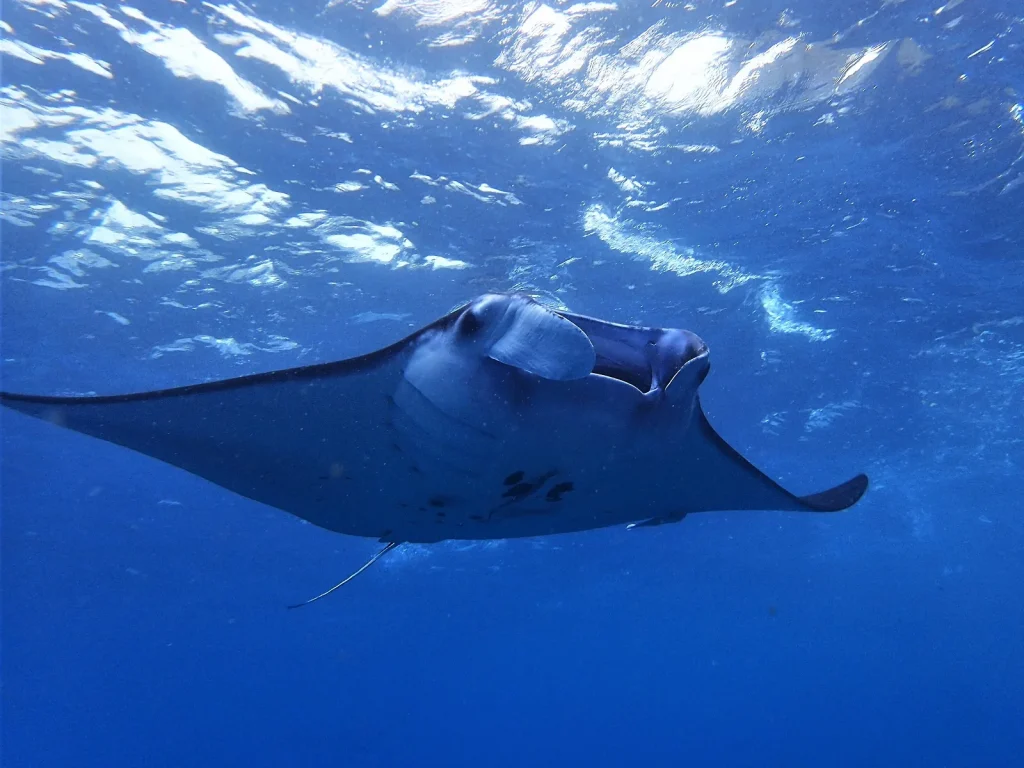
For those seeking a more adventurous and potentially awe-inspiring experience, a trip to Nusa Penida is essential. This island, located southeast of Bali, is home to Manta Point, a cleaning station where magnificent manta rays gather year-round. Snorkeling alongside these gentle giants in their natural habitat is an unforgettable encounter, offering a perspective on marine life that few places can match. While conditions at Manta Point can sometimes involve swells, our experienced guides prioritize safety and optimal viewing opportunities. Another prominent site around Nusa Penida is Crystal Bay, renowned for its exceptionally clear waters and vibrant coral gardens. This bay is a hub of marine activity, featuring diverse fish species and healthy coral formations. During certain seasons (typically July to October), there is also a chance to spot the elusive Mola Mola, or ocean sunfish, making Crystal Bay a truly special destination. The journey to Nusa Penida by boat adds an element of adventure, traversing open waters to reach these spectacular offshore snorkeling havens.