
 01
Crafting Your Ideal Bali Snorkeling Itinerary
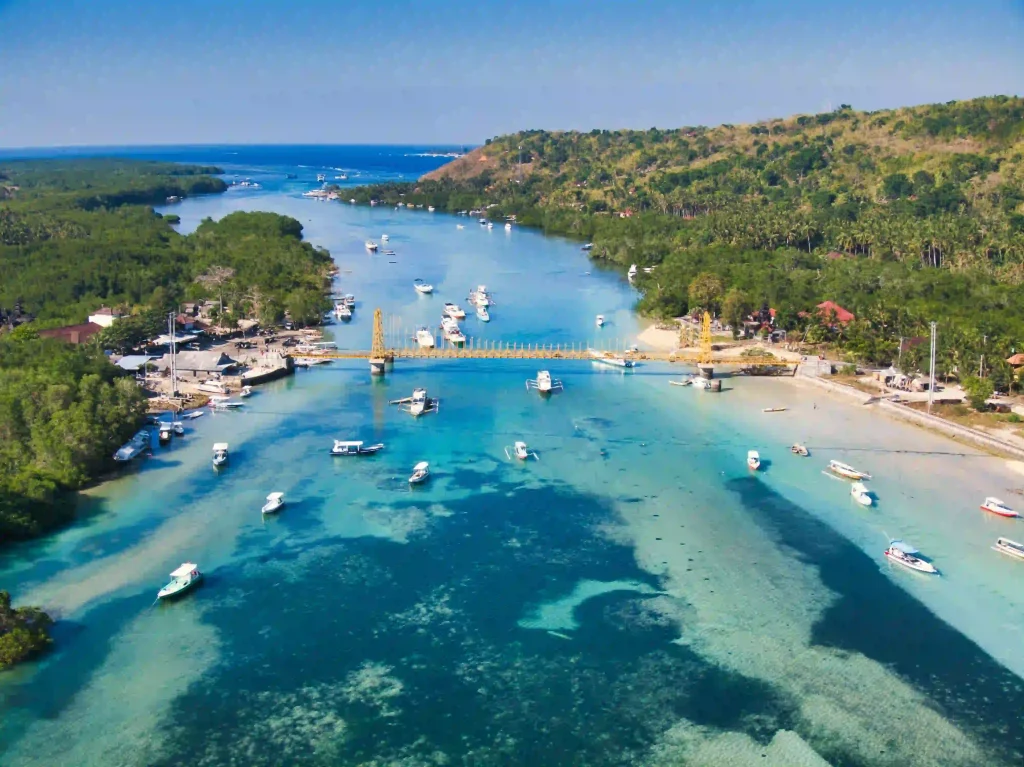
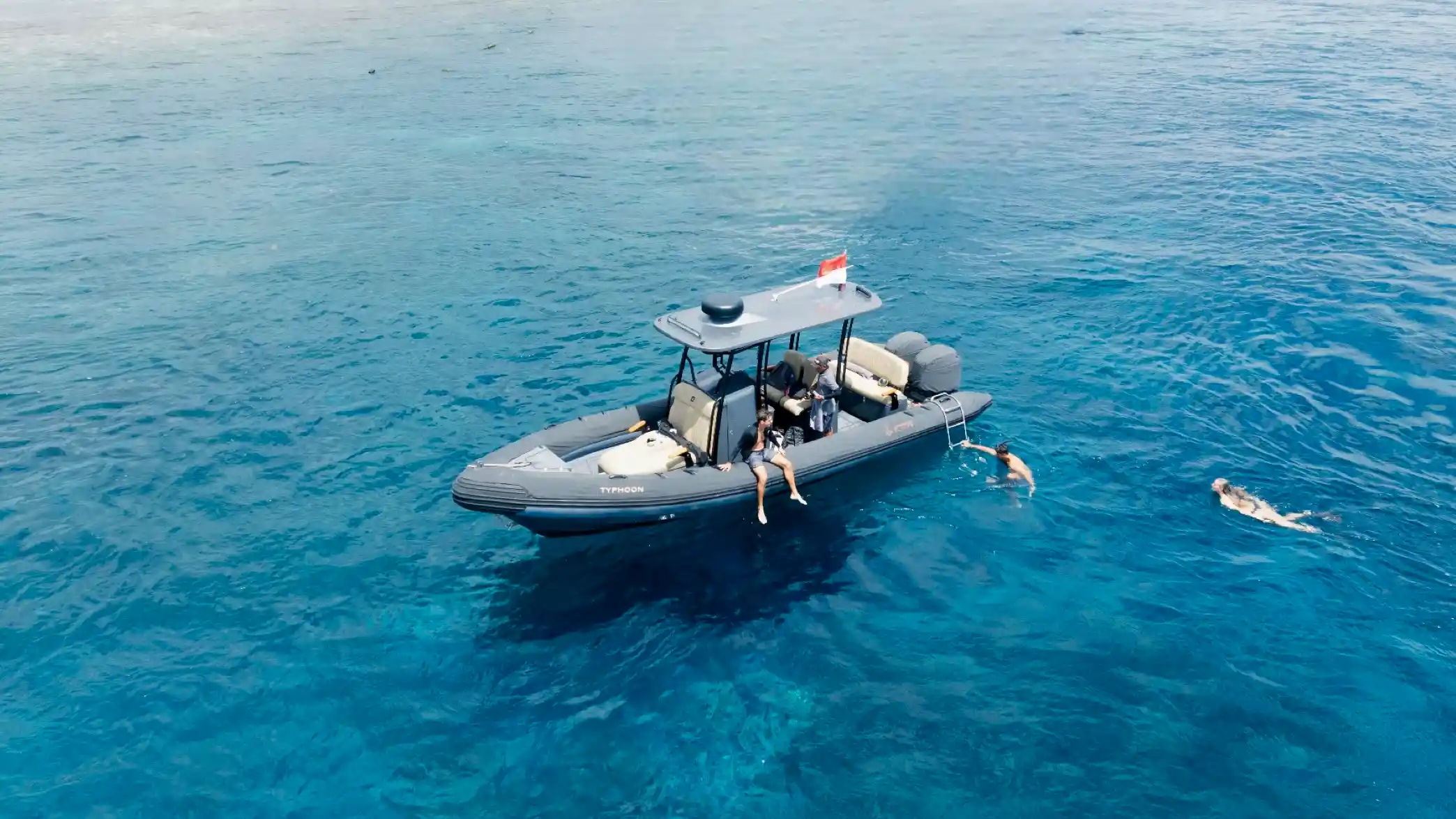
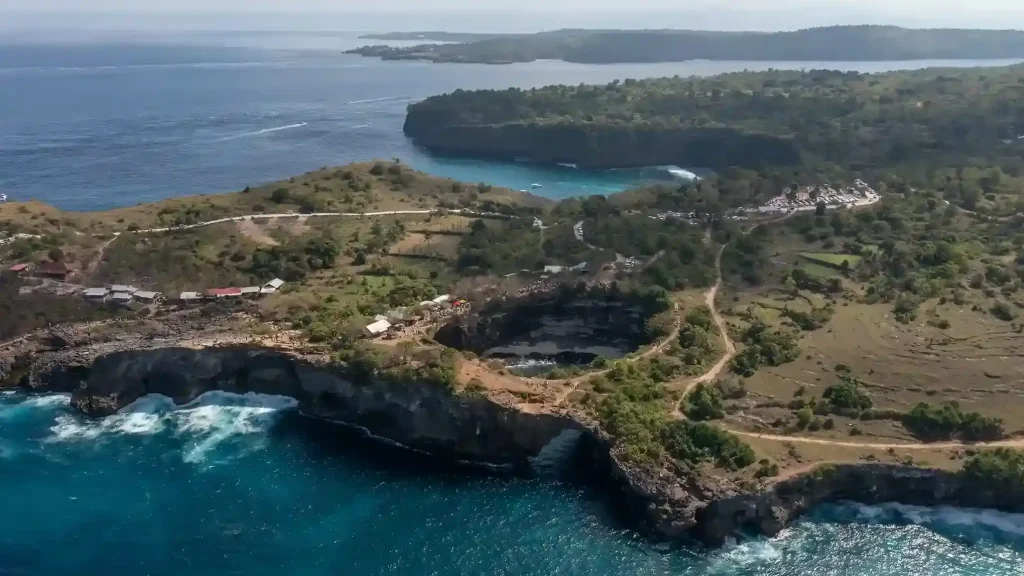
Designing an effective Bali snorkeling itinerary starts with identifying your priorities: marine life, ease of access, or specific underwater features. The main snorkelling hubs in Bali are Padang Bai, Amed/Jemeluk, Tulamben, and the Nusa Penida/Nusa Lembongan area, each offering distinct experiences. For instance, if you are a beginner or prefer calm conditions, Padang Bai’s Blue Lagoon and Tanjung Jepun are excellent choices, known for their easy boat access and usually clear water. We typically recommend planning your trip during the dry season, roughly May to September, as this period offers the most reliable conditions for good visibility and calmer seas, particularly along the east and northeast coasts where Amed and Tulamben are located. During the rainy season, from November to March, seas can be rougher, with increased swell and potential run-off affecting visibility. Water temperatures around Bali are consistently warm, generally ranging from 26–29 °C, meaning most snorkelers find a thin rash guard or no wetsuit sufficient. Visibility itself is highly variable, from 5-10 metres after heavy rain to over 20 metres when conditions are excellent, especially around Nusa Penida.