 01
Understanding Snorkeling Safety for Non-Swimmers in Bali
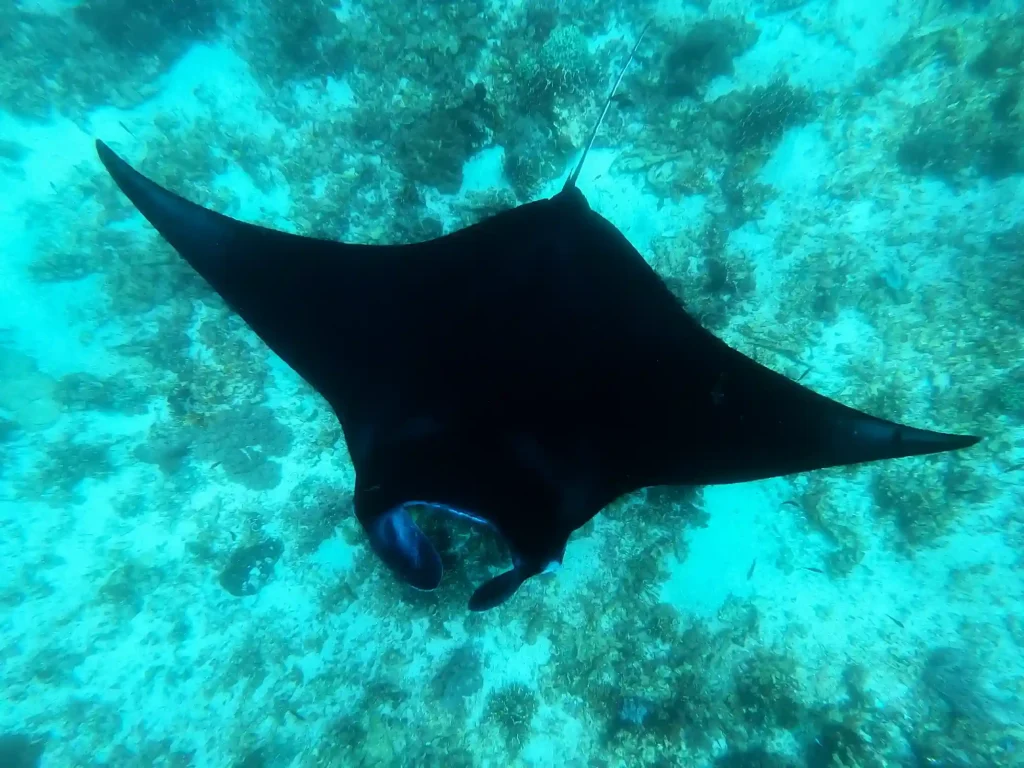
For non-swimmers, safety in Bali’s waters primarily revolves around proper equipment and expert supervision. Most Bali snorkeling tours provide a life jacket as standard inclusion, which is routinely recommended or even required for non-swimmers and weak swimmers. These jackets offer complete buoyancy, allowing you to float effortlessly on the surface without needing to tread water. Many Padang Bai and Nusa Penida operators explicitly advertise that they welcome non-swimmers, offering both flotation and dedicated guide support. Your guide will often stay close, offering a hand or a tow if needed, providing a layer of security that allows you to relax and observe. This direct support is crucial, especially in areas where currents might be present, even if mild. Water temperatures around Bali are typically warm, in the 26–29 °C range, which means comfort is rarely an issue from the cold, reducing another potential distraction. Focus instead on breathing through the snorkel and observing the marine environment. The experience is designed to be accessible, transforming the ocean into a viewing platform rather than a swimming challenge. Visibility in Bali snorkel sites is highly variable, ranging from low (5–10 m) after storms to excellent (20+ m) when conditions are good, which also influences the overall experience.