
 01
Understanding Bali’s Snorkeling Seasons: Dry vs. Rainy
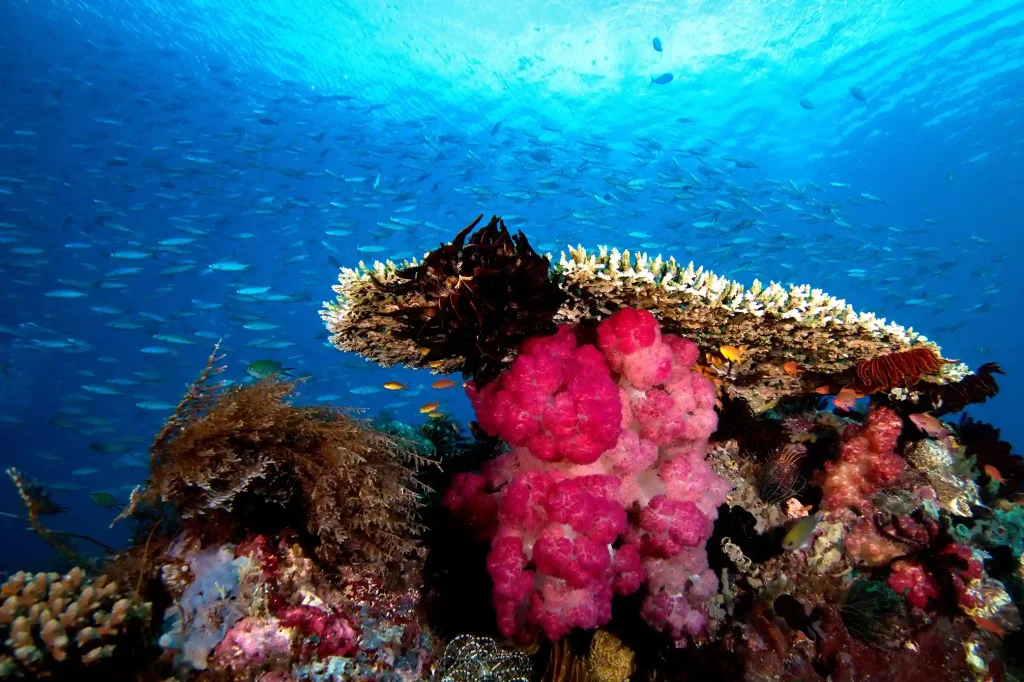
Bali experiences two primary seasons, each with distinct impacts on snorkeling conditions. The dry season, roughly from May to September, is widely recommended as the most reliable time for good snorkeling. During these months, the east and northeast coasts, including popular areas like Amed and Tulamben, typically see calmer seas and improved visibility on average [6][9]. This period is ideal for exploring healthy shallow reefs and sites like the USAT Liberty shipwreck, which is accessible to snorkelers in Tulamben [7]. Many operators plan their tours around these more stable conditions, offering consistent experiences at sites like Jemeluk Bay, known for its accessible shore entry and underwater temple area [6][7].
Conversely, Bali’s rainy season, generally spanning November to March, introduces different challenges. During this time, the seas can be rougher, with increased swell and significant run-off from land [2][9]. This run-off, particularly near river mouths or heavily developed coastal areas, often reduces underwater visibility. While snorkeling is still possible, conditions become more variable, and operators may need to adjust itineraries or select more sheltered sites. For instance, Padang Bai’s Blue Lagoon and Tanjung Jepun are frequently sold as beginner-friendly sites, known for their calm, usually clear water and easy boat access, which can be advantageous even during less favourable weather [1][5]. Understanding these seasonal patterns helps set realistic expectations for your trip.